The Difference and Similarity Between Vacuum Casting and Plastic Injection Molding
Introduction:
Vacuum casting and plastic injection molding are two popular methods in manufacturing, each with distinct characteristics suited for different production needs. Understanding these processes is crucial for making informed decisions in product development.
Key Differences:
- Process:
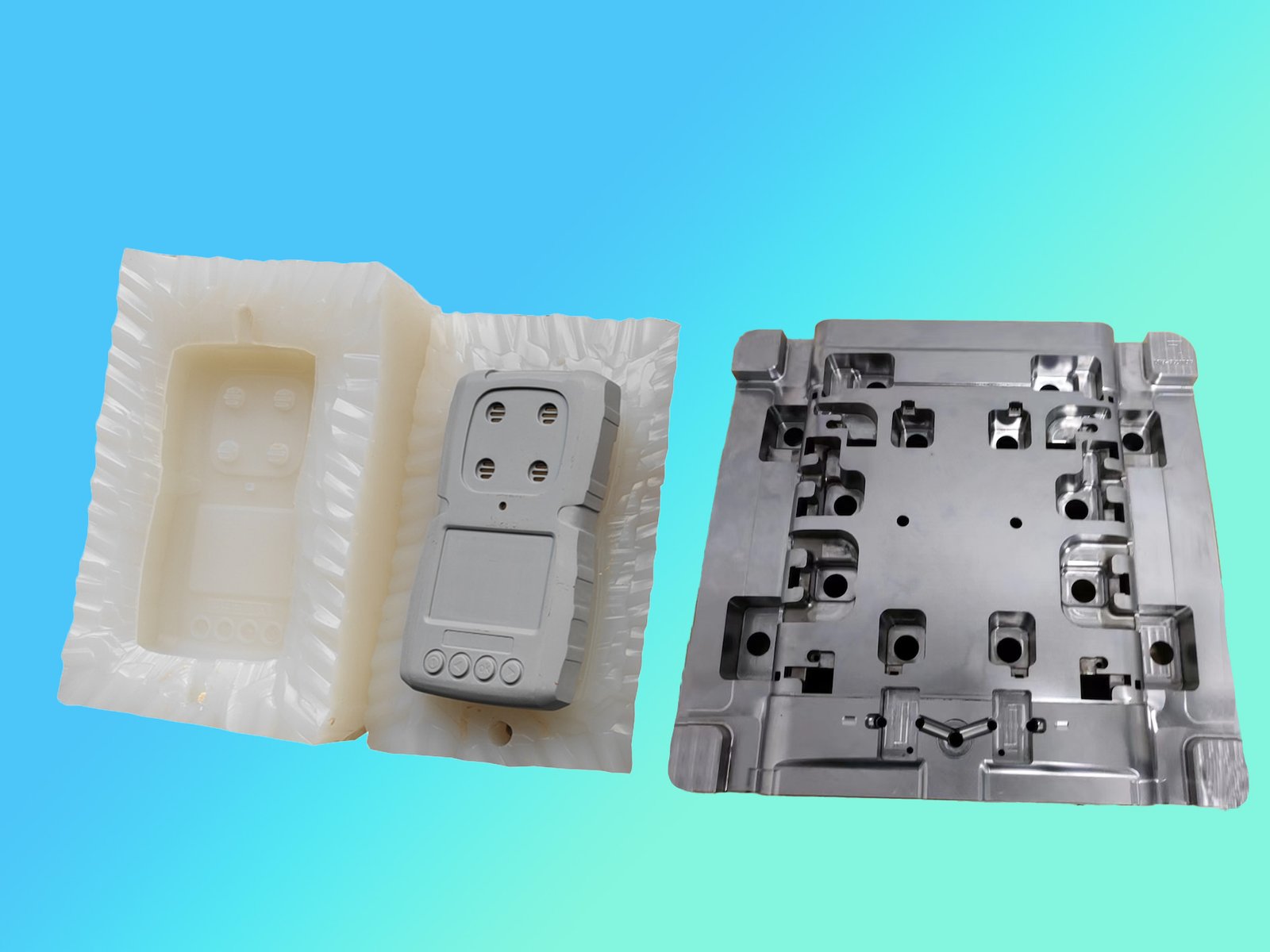
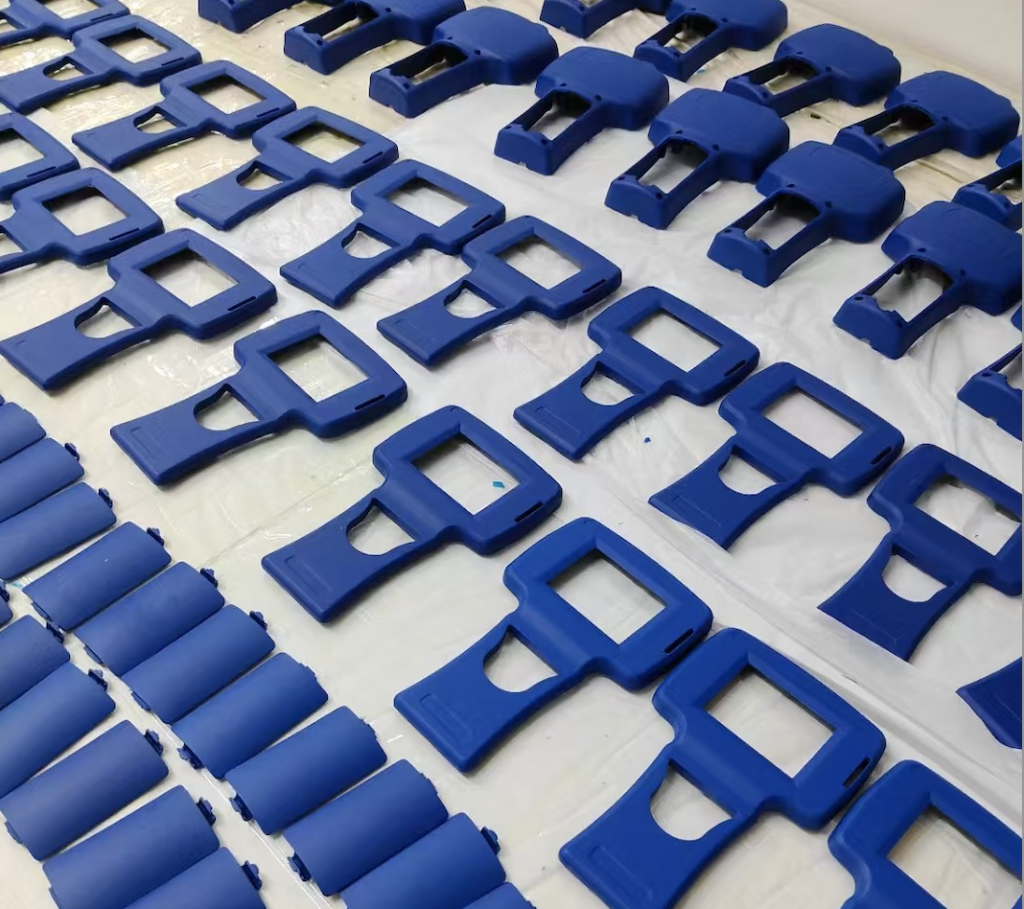
- Vacuum Casting: This method involves pouring a liquid material, typically polyurethane, into a silicone mold under vacuum. The vacuum ensures that the material fills the mold completely, eliminating air bubbles and ensuring a precise replication of the mold’s details.
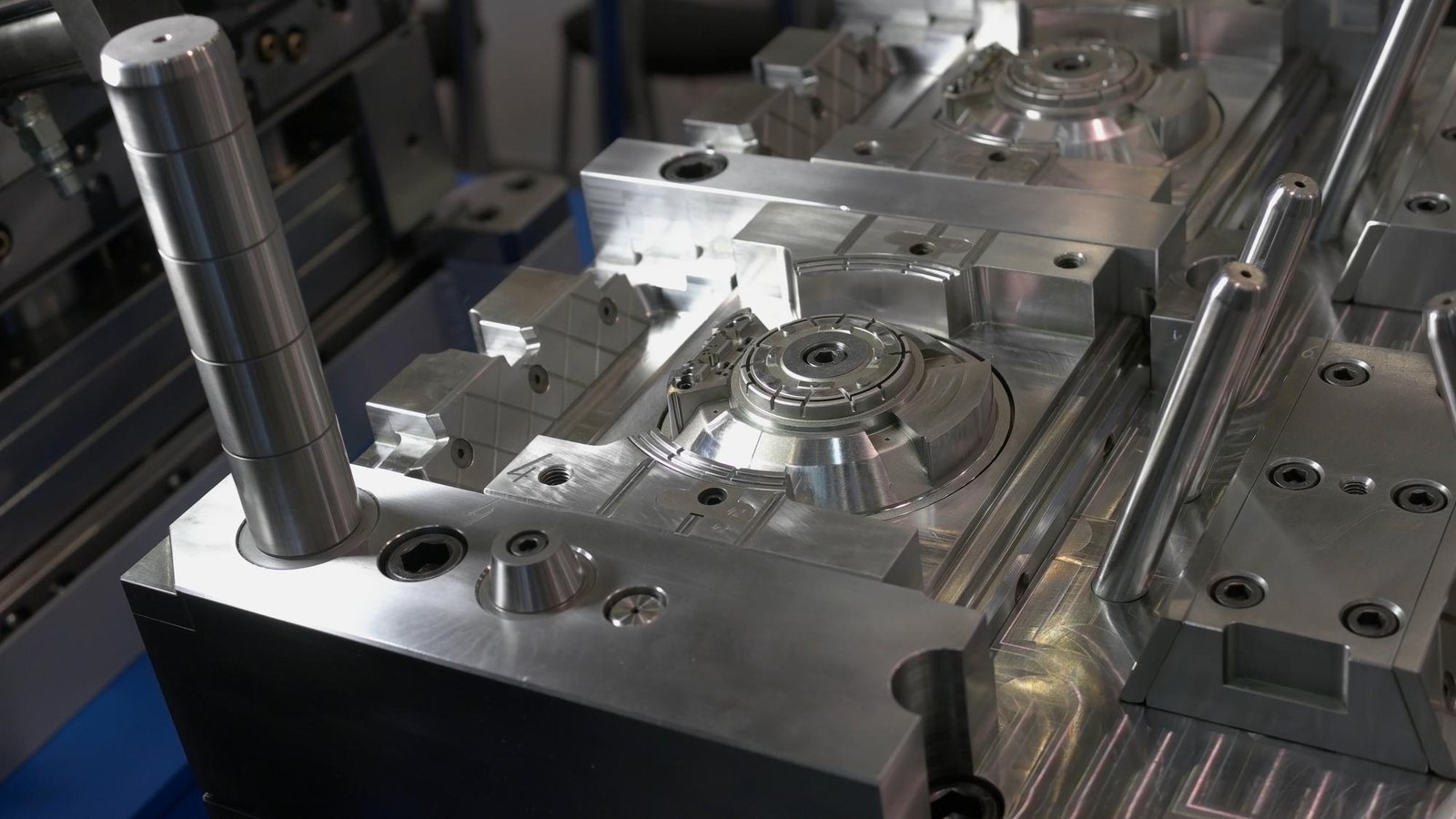
- Plastic Injection Molding: In contrast, this process injects molten plastic into a steel or aluminum mold under high pressure. The pressure ensures that the material flows into all parts of the mold, even into very fine details, resulting in a robust and durable final product.
- Volume and Production Speed:
- Vacuum Casting: Best suited for low-volume production, typically ranging from 10 to 100 units. It’s ideal for prototyping and small production runs where speed and flexibility are essential.
- Plastic Injection Molding: Designed for high-volume production, often producing thousands to millions of parts with consistent quality. Once the mold is created, the production process is extremely fast, making it the preferred method for large-scale manufacturing.
- Material and Mold Cost:
- Vacuum Casting: The cost of silicone molds used in vacuum casting is relatively low, making it an economical choice for small-scale production. However, the materials used (like polyurethane) may have limitations in terms of mechanical properties compared to injection-molded plastics.
- Plastic Injection Molding: The initial cost of creating an injection mold is significantly higher due to the use of durable materials like steel or aluminum. However, the per-unit cost decreases drastically with higher production volumes, making it cost-effective for mass production.
- Precision and Finish:
- Vacuum Casting: Offers excellent surface finish and can replicate intricate details from the master model. However, it may not match the precision and strength of parts produced through injection molding.
- Plastic Injection Molding: Provides superior precision, repeatability, and material strength, making it suitable for parts that require tight tolerances and high durability.
Similarities:
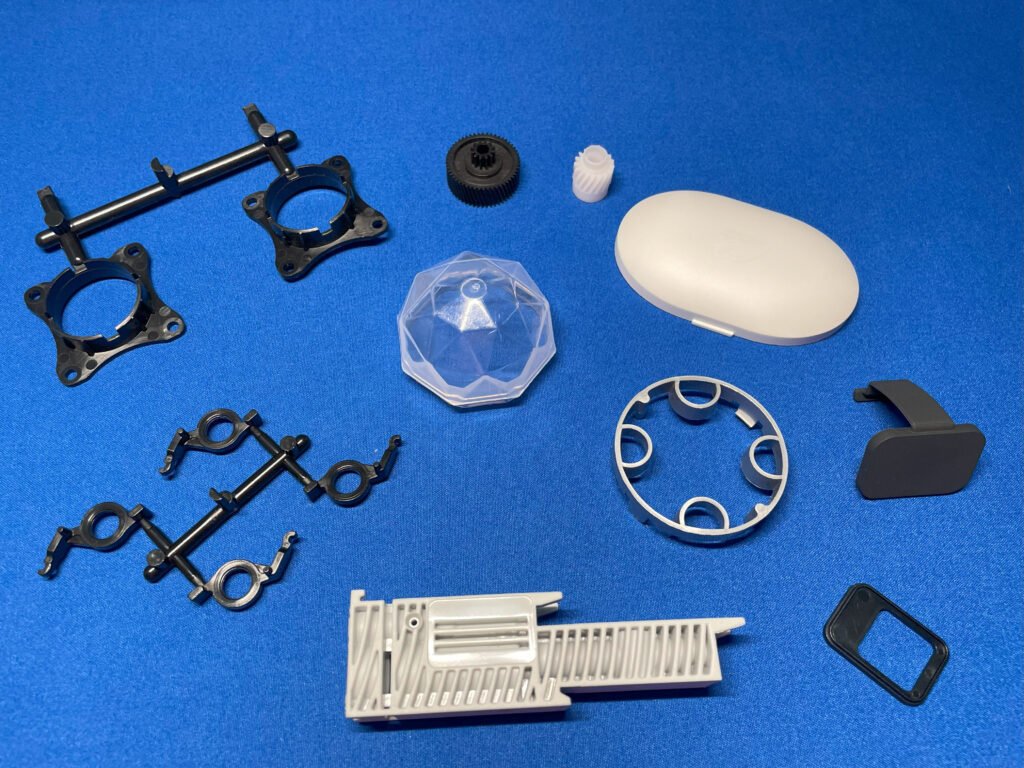
- Versatility: Both methods are versatile in terms of material selection, allowing for a wide range of plastics and resins to be used depending on the desired properties of the final product.
- Complex Geometries: Both processes are capable of producing complex shapes and detailed features, making them suitable for a variety of applications across different industries.
- Quality and Consistency: Both methods can achieve high-quality results, though the scale and type of production will determine which process is more appropriate.
Applications:
- Vacuum Casting: Commonly used in industries where low-volume production, rapid prototyping, or product development is needed. It’s often chosen for consumer goods, automotive components, and medical devices where initial testing and validation are critical before moving to mass production.
- Plastic Injection Molding: Widely used in the production of everything from consumer electronics and automotive parts to packaging and household items. Its ability to produce high volumes of consistent, durable parts makes it indispensable in manufacturing.
Conclusion:
Both vacuum casting and plastic injection molding offer unique advantages that cater to different stages of the product development process. Vacuum casting is ideal for rapid prototyping and low-volume production, providing flexibility and cost-efficiency. On the other hand, plastic injection molding is the go-to solution for high-volume manufacturing, offering precision and durability. By understanding the strengths and limitations of each method, manufacturers can choose the process that best aligns with their production needs and business goals.